

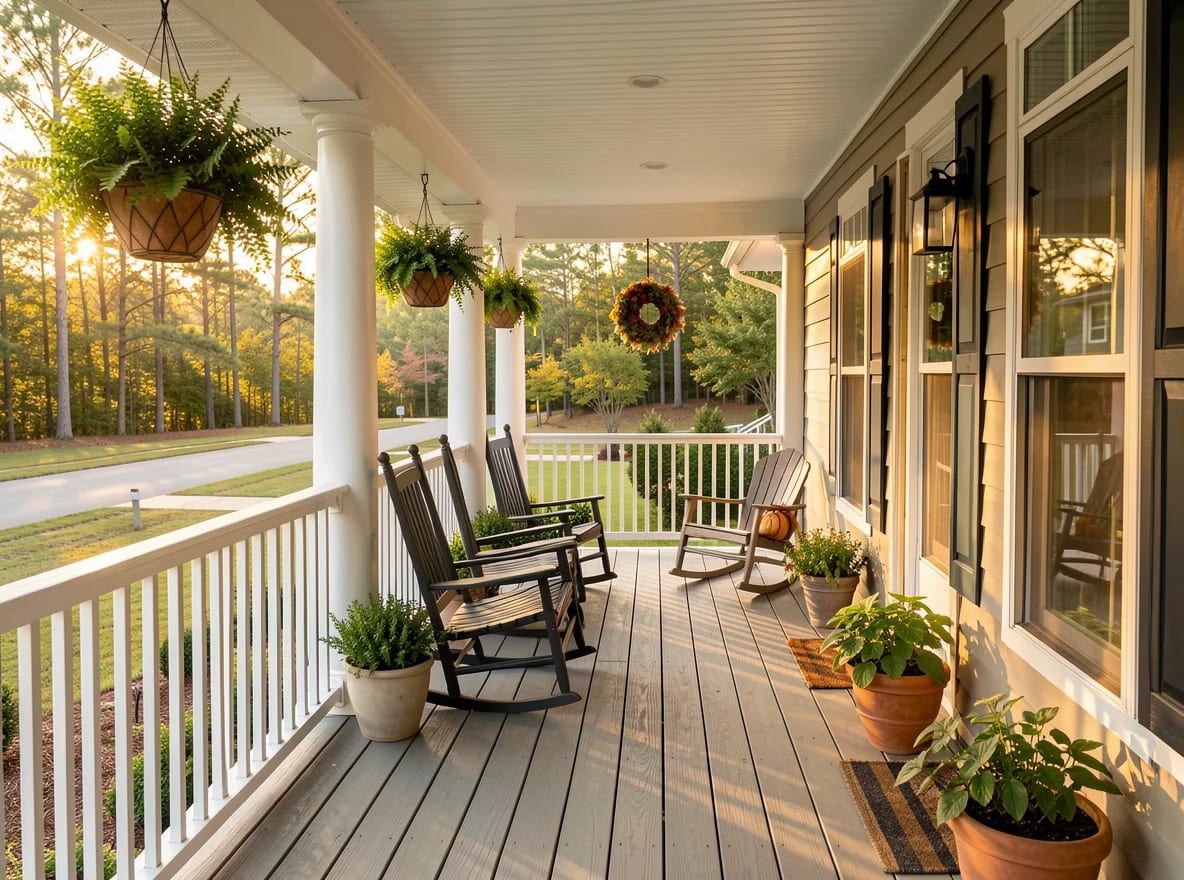
Vacation rental properties can appeal to buyers who want a home that serves both personal lifestyle goals and a business purpose. In Arkansas, that can mean a cabin near outdoor recreation, a lake-area property that attracts seasonal visitors, or a well-located home in a destination community where guests want comfort, convenience, and a memorable stay. For buyers and owners, the opportunity is not simply about owning a second property. It is about understanding how location, regulations, upkeep, guest expectations, and long-term strategy all work together.
At Discover Realty, Kristin Mia Montgomery helps buyers look beyond the surface appeal of a property and evaluate whether it may align with their goals, risk tolerance, and management preferences. Before purchasing a vacation rental in Arkansas, it is important to understand what these properties are, who they may fit best, and what practical questions should be answered before moving forward.
 : {"category":"cabin_lodge","prompt":"Rustic Arkansas vacation cabin exterior with warm porch lighting, mature trees, gravel drive, and inviting mountain-lake getaway atmosphere, people-free, 4:3 composition, no visible text, no signs, no lettering, no writing","reference_images":"none","source_url":""}
What a Vacation Rental Property Is
A vacation rental property is typically a home, cabin, condo, or similar residential property that is offered to guests for short stays. Unlike a traditional long-term rental, which is usually leased for months or years, a vacation rental is designed for temporary occupancy. Guests may book for a weekend, a week, or another short period depending on local rules and the owner’s operating plan.
These properties are often located in areas that attract travelers for recreation, events, scenery, or seasonal tourism. In Arkansas, that may include lake communities, mountain settings, outdoor recreation corridors, and towns that draw visitors looking for a relaxing getaway. The property itself is only one part of the equation. A successful fit also depends on access, surrounding amenities, neighborhood standards, and the owner’s willingness to manage a hospitality-oriented asset.
It is also important to distinguish between a property that can legally function as a vacation rental and one that simply seems like it should. Buyers should never assume that a desirable home in a popular area is automatically suitable for short-term guest use. Local ordinances, subdivision restrictions, homeowners association rules, and permitting requirements can all affect whether the property can be used as intended.
Who Vacation Rentals May Be a Fit For
Vacation rental ownership is not the right choice for every buyer. It may be a fit for buyers who want flexibility, are comfortable with variable demand, and understand that guest turnover creates a different level of involvement than a standard rental. Some buyers are looking for a property they can enjoy personally at certain times of year while making it available to guests at other times. Others are focused on acquiring a property in a destination market and are prepared to treat it as an actively managed asset.
Buyers who tend to do well with this type of ownership are usually realistic, organized, and willing to evaluate details carefully. They understand that furnishing, cleaning, maintenance coordination, booking management, and guest communication all matter. They also recognize that performance can vary based on seasonality, competition, reviews, and changing local regulations.
On the other hand, buyers seeking a more passive ownership experience may find that a vacation rental requires more oversight than expected. Even when a professional manager is involved, owners still need to think through budgeting, property standards, repairs, insurance, and compliance. That is why the purchase decision should begin with goals and capacity, not just the appeal of the property itself.
 : {"category":"lake_dock","prompt":"Calm lakefront dock in Arkansas at sunrise with pine-lined shoreline, gentle mist, and peaceful vacation-destination mood, people-free, 4:3 composition, no visible text, no signs, no lettering, no writing","reference_images":"none","source_url":""}
What Buyers Should Evaluate Before Purchasing
Before buying a vacation rental property, buyers should evaluate the location from both a real estate and guest-use perspective. A beautiful property in a remote setting may appeal to some travelers, but access, road conditions, parking, nearby attractions, and convenience still matter. Buyers should consider how guests will arrive, what they will do during their stay, and whether the property offers the experience the market expects.
Property layout is another major factor. Homes with practical sleeping arrangements, durable finishes, functional outdoor space, and easy maintenance often make more sense than properties that are visually impressive but difficult to operate. Buyers should think about how the home will perform under repeated guest use. Flooring, countertops, exterior materials, HVAC systems, plumbing, and water access should all be reviewed with durability in mind.
It is also wise to assess the competitive landscape. Buyers should understand what types of vacation rentals already exist in the area, what level of finish and amenities are common, and how their target property compares. This is not about making promises about income or occupancy. It is about understanding whether the property is positioned in a way that makes operational sense for the market it serves.
Local Management and Upkeep Considerations
One of the biggest differences between vacation rentals and other residential properties is the intensity of ongoing management. Frequent guest turnover means more cleaning, more inspections, more supply restocking, and more opportunities for wear and tear. Owners should have a clear plan for housekeeping, emergency maintenance, landscaping, pest control, trash service, and routine repairs.
For out-of-area buyers, local support is especially important. A property may look ideal online, but if dependable cleaners, handymen, inspectors, and managers are difficult to coordinate, ownership can become more complicated. Arkansas buyers should think carefully about who will check on the property, respond to urgent issues, and keep the home guest-ready between stays.
Weather and environmental conditions also matter. Depending on the area, owners may need to plan for storm cleanup, leaf removal, dock maintenance, septic oversight, gravel drive upkeep, or winterization. A local real estate professional can often help buyers identify practical ownership considerations that may not be obvious during an initial showing.
Seasonality and Demand Patterns
Vacation rental demand is rarely uniform throughout the year. In Arkansas, seasonality can be influenced by lake activity, hiking and outdoor recreation, holiday travel, local events, and weather patterns. Some areas may see strong peak periods and quieter off-seasons, while others may benefit from a broader mix of weekend, event-driven, and nature-based travel.
Buyers should approach seasonality with clear expectations. A property may be very appealing during one part of the year and less active during another. That affects planning for maintenance, reserves, furnishing updates, and owner use. It also reinforces the importance of buying a property that makes sense beyond a single peak season.
Rather than focusing on best-case scenarios, buyers should ask practical questions. What times of year are busiest in the area? What amenities matter most in different seasons? How does access change during heavy rain, winter weather, or high-traffic weekends? These questions help buyers make more grounded decisions.
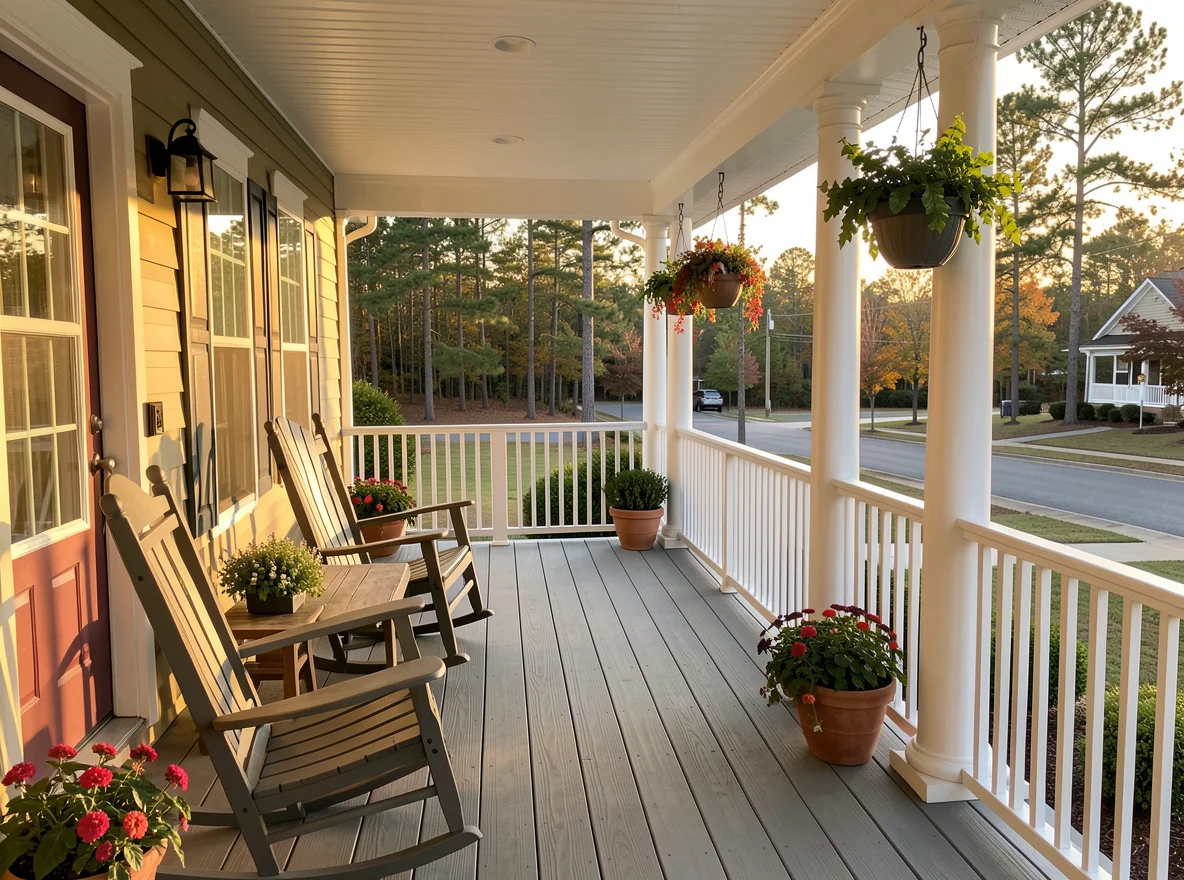 : {"category":"community","prompt":"Welcoming Arkansas destination neighborhood with walkable streets, local gathering spaces, charming storefronts, and relaxed traveler-friendly atmosphere, people-free emphasis, 4:3 composition, no visible text, no signs, no lettering, no writing","reference_images":"none","source_url":""}
Guest Experience Expectations
Today’s vacation rental guests often expect more than a place to sleep. They are looking for comfort, cleanliness, convenience, and a setting that feels intentional. Buyers should think about whether a property can support a strong guest experience through layout, parking, outdoor enjoyment, kitchen functionality, privacy, and overall condition.
Simple details can have a major impact. Reliable internet, easy entry, comfortable furnishings, quality mattresses, good lighting, and well-maintained outdoor areas all contribute to guest satisfaction. Properties that are difficult to access, awkwardly configured, or expensive to maintain may create challenges over time.
Guest expectations also affect renovation decisions. Buyers considering a property that needs work should think carefully about which improvements are cosmetic and which are operationally important. In many cases, durability, safety, and ease of maintenance are just as important as style.
Zoning, Community Rules, Financing, and Insurance Questions
Before purchasing, buyers should investigate whether short-term rental use is permitted under local zoning and whether any licensing, registration, or tax requirements apply. If the property is in a subdivision or planned community, restrictive covenants or association rules may limit rental activity, guest parking, signage, occupancy, or amenity use. These issues should be reviewed early, not after closing.
Financing can also differ from a standard owner-occupied purchase. Buyers should speak with lenders about how the property will be classified, what down payment or reserve requirements may apply, and whether the intended use affects loan options. Insurance deserves the same level of attention. Owners should ask whether a standard policy is sufficient or whether specialized coverage is needed for guest-related risks, liability, vacancy periods, or property management arrangements.
Because these questions can involve multiple professionals, buyers benefit from building the right team early. Lenders, insurance providers, attorneys when needed, inspectors, and local real estate guidance all play a role in helping buyers evaluate a property thoroughly and responsibly.
How a Local Real Estate Agent Can Help
Working with a local real estate agent can help buyers move from broad interest to informed decision-making. A knowledgeable agent can help identify areas that attract visitors, compare property types, flag practical ownership concerns, and guide buyers toward questions they should be asking before they commit. That local perspective is especially valuable when a property’s appeal depends on more than square footage and finishes.
Kristin Mia Montgomery at Discover Realty helps buyers evaluate Arkansas properties with a clear, grounded approach. If you are exploring vacation rental ownership and want help identifying properties that may align with your goals, reach out to Kristin Mia Montgomery at Discover Realty. Whether you are comparing destination areas, reviewing property options, or trying to understand what ownership may involve, having local guidance can help you make a more confident decision.
If you are considering a vacation rental purchase in Arkansas, contact Discover Realty to start a conversation about location, property type, and the practical factors that matter most. Kristin Mia Montgomery can help you assess opportunities thoughtfully and focus on properties that support your broader real estate goals.