

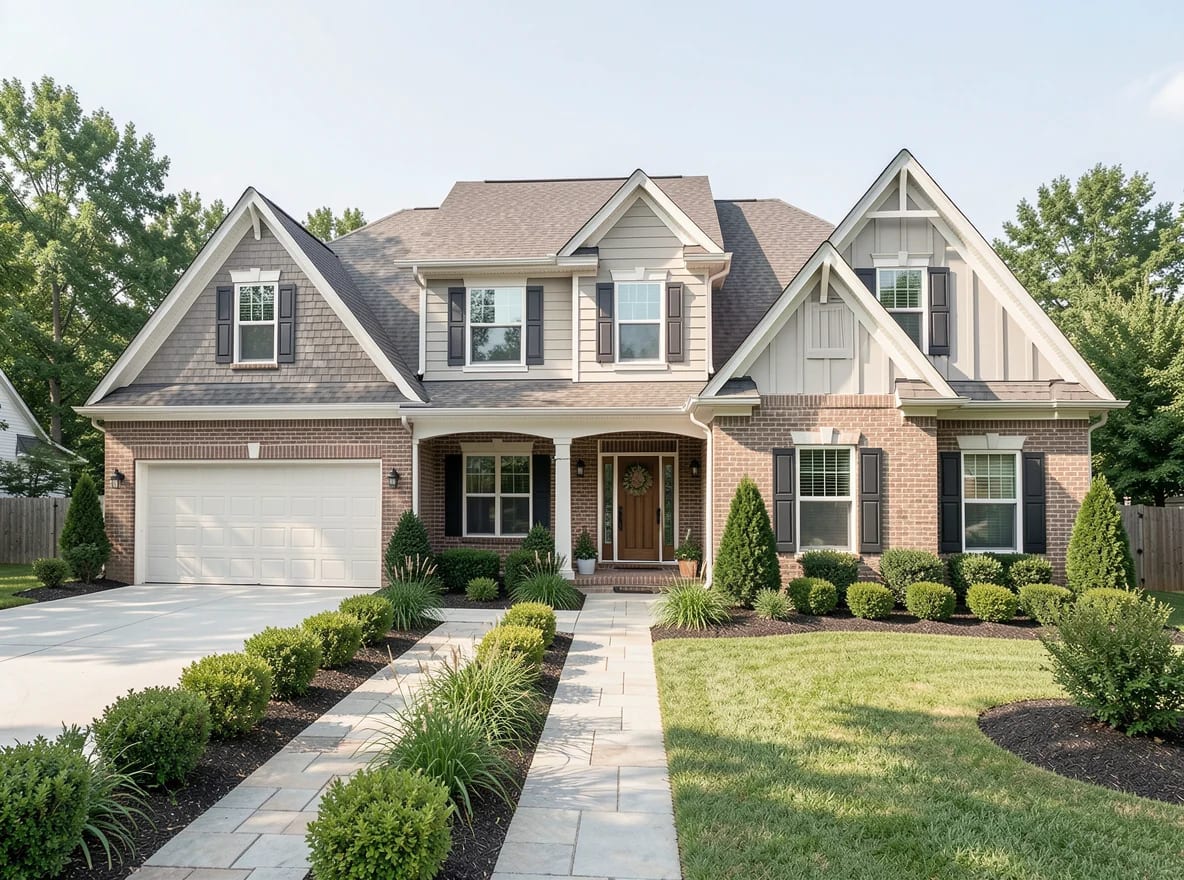
Short-term rentals attract many buyers because they sit at the intersection of real estate, hospitality, and flexible property use. In Arkansas, that can make them especially appealing to people exploring investment options near lakes, outdoor recreation areas, college towns, and growing visitor destinations. But buying a property for short-term rental use is not the same as buying a long-term rental, a second home, or a primary residence. The income pattern, guest expectations, operating workload, and local considerations can all look very different.
For buyers comparing strategies, the most important first step is to evaluate the property based on its intended use rather than on broad assumptions about the short-term rental market. A home that seems attractive on paper may not fit guest demand, neighborhood expectations, financing requirements, or management capacity. This guide from Discover Realty is designed to help you think through the practical questions before you buy, so you can approach the process with clearer expectations and a more informed strategy.
How Short-Term Rental Ownership Differs From Other Investment Strategies
A short-term rental operates more like a small hospitality business than a traditional rental property. With a long-term rental, owners often focus on tenant stability, lease structure, maintenance planning, and monthly cash flow consistency. With a short-term rental, the property may experience frequent guest turnover, seasonal demand swings, higher furnishing costs, and more active day-to-day oversight.
That difference matters because buyers sometimes evaluate a short-term rental using the wrong framework. A property that would perform well as a long-term rental may not be ideal for nightly or weekly stays. Likewise, a home that appeals strongly to vacation guests may come with operating demands that do not suit every owner. In other words, the strategy should shape the purchase criteria from the beginning.
Short-term rentals also tend to involve more moving parts. Owners may need to think about booking calendars, cleaning coordination, guest communication, restocking supplies, maintenance response times, and presentation standards in a way that long-term landlords usually do not. Even when a professional manager handles those tasks, the ownership model still depends on hospitality-style operations.
For that reason, buyers should avoid viewing short-term rentals as passive by default. Some properties can be streamlined with the right systems and support, but the asset itself is only one part of the equation. The operating plan matters just as much.
Start With the Right Questions Before You Buy
Before touring properties, it helps to define what success looks like for your intended use. Are you looking for a property that may also serve as a personal getaway? Are you focused on a guest-friendly location with broad seasonal appeal? Do you want a lower-maintenance home that is easier to furnish and manage, or are you open to a more distinctive property that may require more oversight?
These questions can narrow your search quickly. A buyer who wants minimal operational complexity may prioritize newer construction, durable finishes, and straightforward layouts. A buyer targeting destination travelers may care more about proximity to attractions, outdoor amenities, or a memorable setting. A buyer comparing short-term and long-term rental options may want a property that offers flexibility if market conditions or local rules change.
It is also wise to think about your own time horizon. Some buyers are comfortable making updates, building systems, and refining the guest experience over time. Others want a property that is close to rent-ready from day one. Neither approach is inherently better, but they lead to different purchase decisions.
When buyers clarify these priorities early, they are better positioned to evaluate homes based on fit rather than emotion. That can be especially helpful in Arkansas markets where lifestyle appeal, recreation access, and local character may influence demand in different ways from one area to another.
Location and Guest Demand Matter More Than General Popularity
One of the most common mistakes in short-term rental investing is assuming that a generally desirable area automatically supports every type of rental property. In reality, guest demand is often highly specific. Travelers may be drawn to a lake area, downtown district, university-adjacent neighborhood, or outdoor recreation corridor for different reasons, and the property should align with those reasons.
For example, a home near a popular Arkansas destination may still underperform as a short-term rental if access is inconvenient, parking is limited, the layout does not suit typical guest groups, or the surrounding environment does not match the experience visitors expect. On the other hand, a less flashy property in a practical, well-located area may be easier to operate and more appealing to a broader range of guests.
Buyers should think carefully about who the likely guest is. Weekend travelers, families, outdoor enthusiasts, visiting professionals, and event-based visitors may all prioritize different features. Some may value walkability and dining access. Others may care more about privacy, sleeping capacity, outdoor space, or proximity to a specific attraction.
Seasonality is another important factor. Some Arkansas locations may see stronger demand during certain travel seasons, school calendars, sporting events, or tourism peaks. That does not automatically make them poor choices, but it does mean buyers should understand how demand may fluctuate rather than assuming steady year-round occupancy.
Looking at location through the lens of guest behavior can lead to better decisions than relying on broad market buzz alone.
Furnishing, Setup, and Turnover Expectations Are Part of the Investment
Unlike many long-term rentals, short-term rentals usually need to be fully furnished, equipped, and presented in a way that feels comfortable, functional, and consistent. That includes not only furniture, but also linens, kitchen essentials, lighting, décor, storage solutions, and the small practical details that shape a guest’s experience.
Buyers sometimes underestimate the setup phase. Even a well-located property may need thoughtful preparation before it is ready for guests. Durable materials, easy-to-clean surfaces, and a layout that supports turnover efficiency can all make a meaningful difference over time. A beautiful property that is difficult to maintain between stays may create more operational friction than expected.
Turnover itself is another major distinction. Frequent cleaning, laundry, inspections, supply restocking, and occasional damage response are part of the short-term rental model. The more often a property turns over, the more important it becomes to have reliable systems and realistic expectations around time, cost, and coordination.
That does not mean every short-term rental must be elaborate or highly styled. In many cases, simple, durable, well-planned spaces perform better than overly customized interiors. The key is to evaluate whether the property can be furnished and maintained in a way that supports the guest experience without creating unnecessary complexity.
Property Management Responsibilities Can Be Significant
Some buyers plan to self-manage, while others intend to hire professional help. Either way, management should be part of the purchase analysis, not an afterthought. Short-term rentals often require prompt communication, scheduling coordination, issue resolution, and quality control that go beyond what many owners expect at first.
If you plan to self-manage, consider whether you can realistically handle inquiries, check-in logistics, cleaning oversight, maintenance calls, and guest concerns on a consistent basis. If the property is not near your primary residence, distance can add another layer of complexity.
If you plan to hire a manager, research availability, service levels, and local experience before you buy. Management quality can vary, and not every company is the right fit for every property type or location. Understanding those options in advance can help you assess whether the strategy is practical for the specific home you are considering.
It is also worth thinking about vendor relationships. Cleaners, handymen, landscapers, and maintenance professionals often play an important role in keeping a short-term rental guest-ready. A property in a location with limited service support may require more planning than one in an area with established hospitality infrastructure.
Local Rules and Neighborhood Fit Should Never Be an Afterthought
Before purchasing a property for short-term rental use, buyers should investigate local regulations, subdivision restrictions, condominium rules if applicable, and any other limitations that may affect intended use. Rules can vary by city, county, neighborhood, and property type, and they may change over time.
Just as important, buyers should think about neighborhood fit. A property may technically allow short-term rental use while still being a poor match for guest turnover, parking needs, or nearby resident expectations. Homes in quiet residential settings may require extra scrutiny if the layout, access, or surrounding context could create friction.
This is one reason a balanced approach matters. The goal is not simply to find a property that can be used as a short-term rental, but to find one that supports that use in a practical and sustainable way. Compatibility between the property, the location, and the intended guest experience can reduce headaches later.
Because regulations and restrictions can be nuanced, buyers should verify details with the appropriate professionals and local sources rather than relying on assumptions or informal advice.
Financing, Insurance, and Exit Flexibility Deserve Careful Review
Financing and insurance for short-term rental properties may differ from what buyers expect with a primary residence or standard long-term rental. Loan terms, down payment expectations, reserve requirements, and underwriting considerations can vary depending on occupancy plans and borrower profile. Insurance needs may also be different when a property is used for guest stays rather than traditional tenancy.
That is why buyers should discuss intended use early with their lender and insurance professional. A property that seems workable from a purchase-price standpoint may look different once financing structure, coverage needs, and operating assumptions are factored in.
It is also smart to evaluate flexibility. If the short-term rental strategy becomes less attractive later, could the property still function as a long-term rental, second home, or resale opportunity? Properties with multiple viable use cases may offer more adaptability than homes that only make sense under a narrow operating model.
This does not eliminate risk, and it does not guarantee performance. It simply helps buyers think more strategically about how the property may fit into changing goals or market conditions over time.
How to Evaluate Whether a Property Truly Supports a Short-Term Rental Strategy
When you step back, a strong short-term rental candidate usually checks several boxes at once. It aligns with likely guest demand. It is manageable to furnish and maintain. It fits the surrounding area. It works within applicable rules and restrictions. And it supports an ownership plan that is realistic for your time, budget, and management approach.
That evaluation is often more useful than chasing a single headline metric. Buyers can benefit from asking practical questions such as:
- Does the location make sense for the type of guest I expect to attract?
- Is the layout functional for short stays and easy turnover?
- Will the property require major updates before it is guest-ready?
- Are parking, access, and neighborhood context supportive of this use?
- Do financing, insurance, and management options align with my plan?
- Would this property still have appeal if my strategy changes later?
Those questions can help separate properties that merely seem interesting from those that genuinely support the intended use.
A Thoughtful Arkansas Search Starts With the Right Strategy
Short-term rental ownership in Arkansas can appeal to buyers who want flexibility, hospitality-driven use, or exposure to travel-oriented markets, but it is not interchangeable with every other real estate strategy. The right purchase depends on location, property characteristics, operational readiness, and how well the home matches your goals.
If you are comparing investment options and want help identifying Arkansas properties that fit your intended use, reach out to Kristin Mia Montgomery at Discover Realty. With thoughtful guidance and a clear understanding of your goals, you can focus your search on properties that make sense for the way you plan to own and use them.