

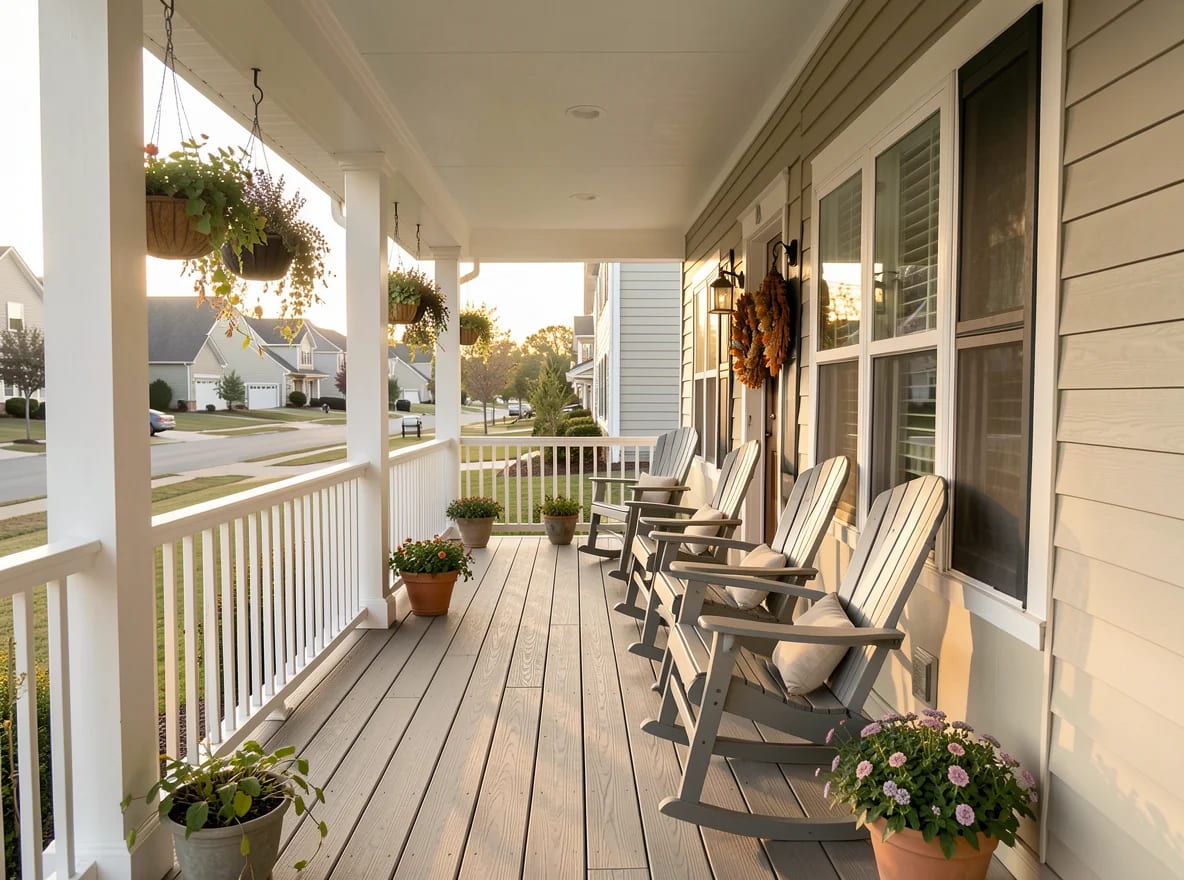
Long-term rental properties can play a practical role in a real estate strategy when buyers and owners approach them with clear expectations, careful property selection, and a strong understanding of day-to-day responsibilities. In Arkansas, the right home for long-term rental use is often less about chasing trends and more about choosing a property that can serve tenants reliably over time while remaining manageable to maintain.
For buyers exploring this path, the goal is usually to find a home that balances livability, durability, and location. For current owners, success often comes from planning ahead, thinking through maintenance and tenant experience, and evaluating each property as an operating asset rather than simply a house on a lot. Whether you are considering your first rental purchase or reviewing homes with future tenant use in mind, a practical framework can help you make more confident decisions.
[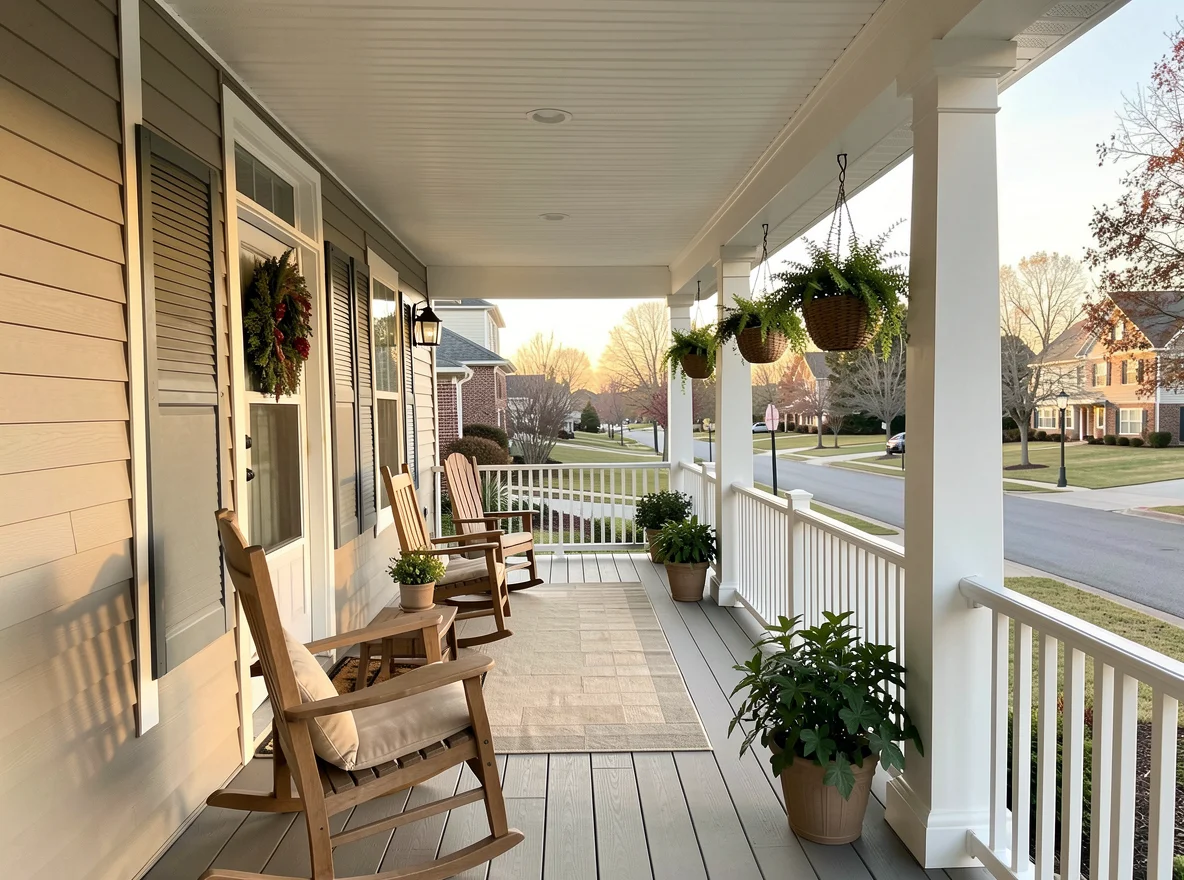 : {"category":"home_exterior","prompt":"People-free rental-friendly Arkansas home exterior in a stable residential neighborhood, clean landscaping, wide 4:3 composition, soft natural light, practical curb appeal, no visible text, no signs, no lettering, no writing","reference_images":"none"}]
Start With the Purpose of the Property
Before evaluating any long-term rental property, it helps to define what role the home is meant to play. Some buyers want a straightforward single-family home that may appeal to tenants seeking stability and space. Others may be looking for a property that is easy to maintain, located near employment centers, schools, or everyday services, and likely to support consistent occupancy over time. The clearer the purpose, the easier it becomes to filter out homes that may be attractive personally but less practical as rentals.
In many Arkansas markets, long-term rental buyers benefit from focusing on homes with broad appeal rather than highly specialized features. A property with a functional layout, dependable systems, off-street parking, and convenient access to daily needs may be easier to position for steady tenant use than a home with unusual design choices or expensive features that add complexity without improving everyday livability.
That does not mean every rental property should be plain or stripped down. It means buyers should think carefully about what tenants are likely to value most: comfort, convenience, storage, safety, and a home that feels easy to live in. A practical property often performs better operationally than one that looks impressive but creates ongoing maintenance or leasing challenges.
How Buyers Can Evaluate Homes for Steady Tenant Use
When touring homes with long-term rental goals in mind, buyers should look beyond cosmetic finishes and ask how the property may function over several lease cycles. Floor plan matters. A layout with sensible bedroom placement, usable living space, and a kitchen that supports daily routines can make a home more appealing to a wider range of tenants. Durable flooring, manageable yard size, and straightforward mechanical systems may also reduce future headaches.
Condition is equally important. Even a well-located home can become more demanding than expected if major systems are near the end of their useful life. Roof age, HVAC performance, plumbing condition, electrical updates, drainage, windows, and foundation concerns all deserve attention. Buyers do not need to become contractors, but they should understand that deferred maintenance can quickly change the ownership experience.
It is also wise to think about turnover. A home that is easy to clean, repaint, repair, and re-lease may be more practical than one with delicate materials or highly customized finishes. Neutral, durable choices often support easier upkeep between tenants. The same principle applies outside: mature landscaping can be attractive, but overly complex outdoor spaces may create more maintenance responsibility than many owners want.
[ : {"category":"kitchen","prompt":"People-free well-kept rental home kitchen in Arkansas, durable finishes, bright natural light, clean counters, practical layout for everyday living, wide 4:3 composition, no visible text, no signs, no lettering, no writing","reference_images":"none"}]
Another useful question is whether the home would still make sense if market conditions shift. Long-term rental ownership tends to reward properties with lasting utility. Homes that are reasonably located, functionally designed, and not overly dependent on a narrow tenant profile may offer more flexibility than properties that only appeal to a small segment of renters.
Neighborhood Considerations Matter More Than Many Buyers Expect
A rental property does not exist in isolation. The surrounding neighborhood influences tenant interest, daily convenience, and the overall ownership experience. Buyers should pay attention to access routes, nearby retail and services, school proximity where relevant, noise levels, visible property upkeep, and the general feel of the area at different times of day.
For long-term rentals, convenience often matters more than novelty. Tenants commonly prioritize commute patterns, grocery access, parking, neighborhood stability, and a sense of routine. A home in a practical, well-connected area may be easier to lease than one in a more remote location with fewer everyday advantages. This is especially true when the property is intended for tenants who plan to stay for a year or longer and want a home that supports normal daily life.
Buyers should also consider neighborhood consistency. A block with mixed property conditions, heavy traffic, or signs of ongoing neglect may require closer evaluation. That does not automatically rule out a purchase, but it does mean the property should be assessed in context. Long-term rental ownership often works best when the home is located in an area where tenants can picture themselves settling into a routine comfortably.
Because Arkansas includes a wide range of communities, from more urban settings to suburban and rural areas, neighborhood analysis should be local and specific. What works in one market may not translate directly to another. This is where working with a knowledgeable real estate professional can help buyers compare options more effectively and avoid relying on assumptions.
Maintenance Planning Is Part of the Investment Decision
One of the most practical ways to evaluate a long-term rental property is to ask what it will take to keep the home in dependable condition. Maintenance planning should begin before purchase, not after closing. Buyers should think through likely repair timelines, seasonal upkeep, appliance replacement cycles, exterior wear, and how easy the property will be to service.
For example, a home with a steep roof, extensive trees near the structure, aging decks, or complicated drainage may require more attention than a simpler property with fewer exterior variables. Inside, older plumbing materials, dated electrical panels, or hard-to-source fixtures can affect maintenance planning as well. None of these issues automatically make a property a poor choice, but they should be understood as part of the ownership picture.
Owners also benefit from building a maintenance mindset around prevention. Routine servicing, timely repairs, and clear property standards can help preserve the condition of the home and improve the tenant experience. Long-term rentals are generally less hands-on than short-term rentals in terms of guest turnover, but they still require consistent oversight and responsiveness.
[ : {"category":"neighborhood_park","prompt":"Arkansas neighborhood park near residential homes, walking path, mature trees, calm community atmosphere, wide 4:3 composition, soft afternoon light, no visible text, no signs, no lettering, no writing","reference_images":"none"}]
Think in Terms of Leases, Not Just Purchase Price
Buyers new to long-term rentals sometimes focus heavily on acquisition and not enough on how the property will function under a lease. Lease-focused thinking means considering how the home will be occupied, maintained, and communicated about over time. It includes practical questions such as who handles lawn care, how maintenance requests may be addressed, what house rules make sense for the property, and whether the home’s features align with the type of tenant experience the owner wants to provide.
A lease-centered perspective also encourages buyers to think about durability and clarity. Features that are easy to explain, maintain, and document can simplify management. Homes with obvious storage, straightforward utility setups, and practical outdoor spaces may be easier to manage than properties with unusual additions or ambiguous responsibilities.
This mindset can also influence renovation decisions. Improvements that support comfort and reliability, such as updated lighting, durable flooring, fresh paint, secure fencing where appropriate, or improved appliance function, may contribute more to long-term usability than highly personalized upgrades. The goal is not to over-improve blindly, but to create a home that supports stable occupancy and manageable operations.
Tenant Experience Still Matters in a Less Hands-On Model
Compared with vacation rentals or short-term rentals, long-term rentals are often viewed as less intensive because owners are not managing frequent turnovers, nightly bookings, or hospitality-style presentation. Even so, tenant experience remains central. A home that is clean, functional, safe, and well-maintained is more likely to support positive day-to-day occupancy than one that feels neglected or difficult to live in.
Tenant experience includes basics such as working systems, secure entries, reasonable storage, comfortable temperature control, and clear communication when issues arise. It also includes the less visible aspects of ownership, such as whether repairs are handled promptly and whether the property feels cared for. Long-term tenants are not looking for a hotel experience, but they are looking for a home that supports ordinary life without unnecessary friction.
Owners who think proactively about tenant experience often make better property decisions from the start. They may choose more durable materials, prioritize practical layouts, and avoid features that are difficult to maintain. Over time, this approach can make the property easier to operate and more appealing to prospective tenants who want a stable place to live.
Financing and Insurance Questions Deserve Early Attention
Long-term rental buyers should also prepare for financing and insurance conversations early in the process. Loan options, reserve expectations, down payment requirements, and underwriting standards can differ depending on how the property will be used. Insurance needs may also vary based on occupancy type, property condition, and whether the home is owner-occupied, tenant-occupied, or transitioning between uses.
Because these details can affect both property selection and timing, buyers should ask questions early and confirm assumptions with qualified lenders and insurance professionals. It is better to understand the framework in advance than to discover late in the process that a property presents unexpected hurdles. This article is not financial or insurance advice, but it is a reminder that these topics are part of practical rental planning and should not be treated as afterthoughts.
How Long-Term Rentals Differ From More Hands-On Rental Models
Long-term rentals differ from vacation rentals and many short-term rental models in both pace and management style. In a long-term rental, the emphasis is usually on stable occupancy, lease structure, property durability, and ongoing maintenance over a longer timeline. Owners are generally not furnishing for frequent guest turnover, managing booking calendars, or responding to hospitality-style expectations on a daily basis.
That does not make long-term rentals effortless. Instead, the work is different. Owners still need to think carefully about property condition, tenant communication, maintenance systems, and the suitability of the home for repeated lease use. The advantage for many buyers is that the model may feel more predictable operationally than a rental strategy that requires constant marketing, cleaning coordination, and guest management.
For some Arkansas buyers and owners, that practical rhythm is exactly the appeal. A well-chosen long-term rental property can fit a more measured ownership style, especially when the home is selected with durability, neighborhood fit, and tenant livability in mind.
A Practical Next Step for Arkansas Buyers and Owners
If you are exploring long-term rental properties in Arkansas, it helps to evaluate each home through a practical lens: location, condition, maintenance demands, lease suitability, and everyday livability. The right property is not always the flashiest one. Often, it is the home that makes sense on paper, in person, and over time.
If you would like help reviewing Arkansas homes that may align with long-term rental goals, connect with Kristin Mia Montgomery at Discover Realty. She can help you look at properties with a clear, grounded perspective so you can better understand which homes may fit your plans and which questions to ask as you move forward.